Strong teams are built on more than technical expertise. Effective teams depend on communication, trust, and the ability to navigate interpersonal and team dynamics with openness and respect. Collaborative teams are built on relationships, interconnection and feedback.
Collaborative team coaching supports groups in developing the relational skills that allow teams to collaborate more effectively, address challenges constructively, and build stronger working relationships.
Through facilitated conversations, experiential learning, and guided feedback, teams develop the awareness and communication practices that improve both team culture and organizational performance.
.avif)
.avif)
Many organizations recognize that leadership and team effectiveness depend on more than individual performance. Teams often benefit from intentional leadership development experiences that focus on how people work together.
Common challenges teams bring into coaching include:
Organizations often pursue team coaching when they want to strengthen collaboration, increase trust, and create environments where people can work together more effectively. Teams have a felt-sense of the whole being greater than the sum of its parts.
Team coaching and training helps teams develop practical skills that improve how people interact day-to-day.
Through facilitated sessions, teams explore how communication patterns, assumptions, and relational habits shape the way work gets done.
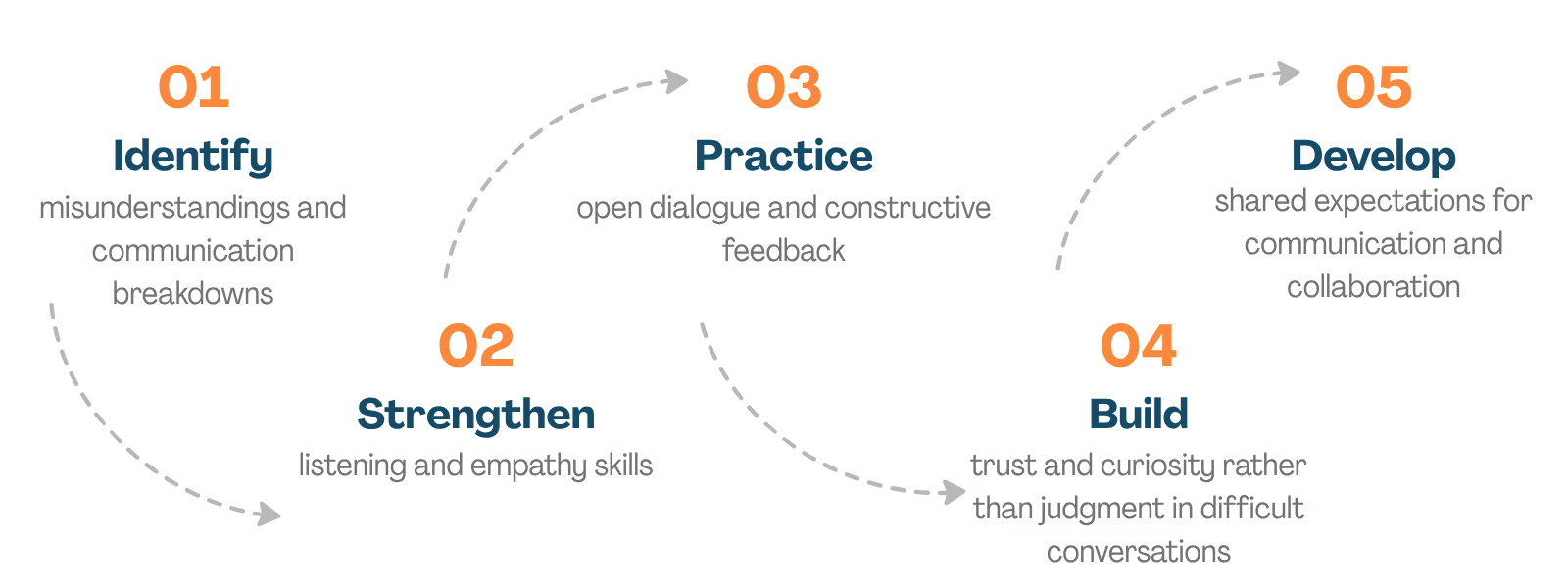
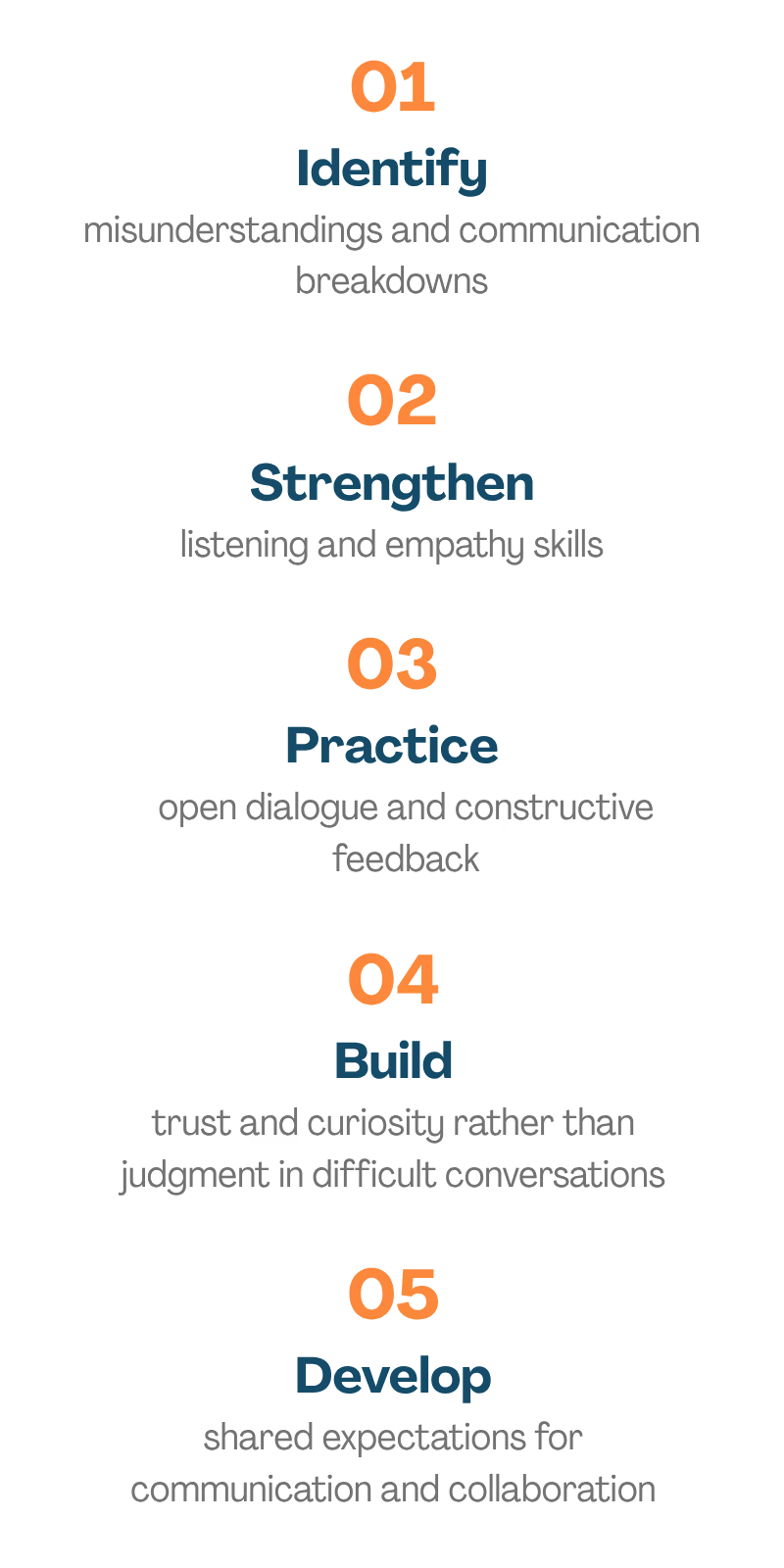
These sessions are interactive and grounded in real team dynamics so participants can immediately apply what they learn, and members can grow together.
Organizations that invest in workplace communication training team optimization often see meaningful improvements in team dynamics and performance.
Teams frequently develop:

and understanding across differences

habits and feedback practices

among team members

to navigate tension or conflict constructively

around shared goals and expectations




.svg)
.svg)